More Than Pixels: Restoring a Lost Wedding Photograph

We Restored the Only Image from Their Wedding Day

Some photographs are more than photographs.

They are the only remaining proof of a moment. A face. A smile. A wedding day. A person as they were then, standing beside someone they loved, in a season of life they can never return to. That is what made this particular restoration project so meaningful.

It started when my neighbors reached out to me. They knew I was a wedding photographer, and they also knew I had experience with Photoshop, photography, and newer AI-based image restoration tools. They are in their 80s now, and they had a handful of old photographs they were hoping I might be able to help restore.

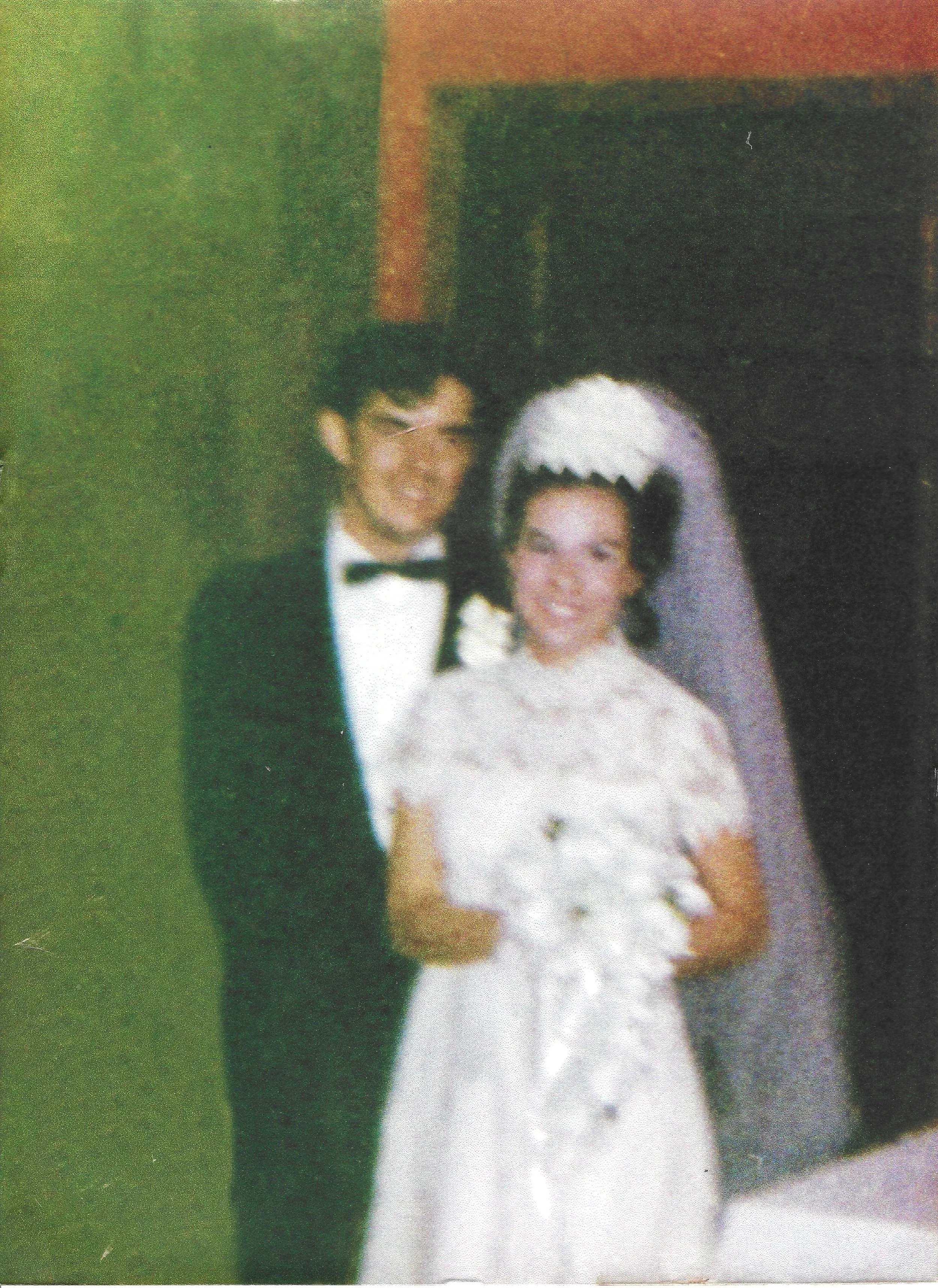
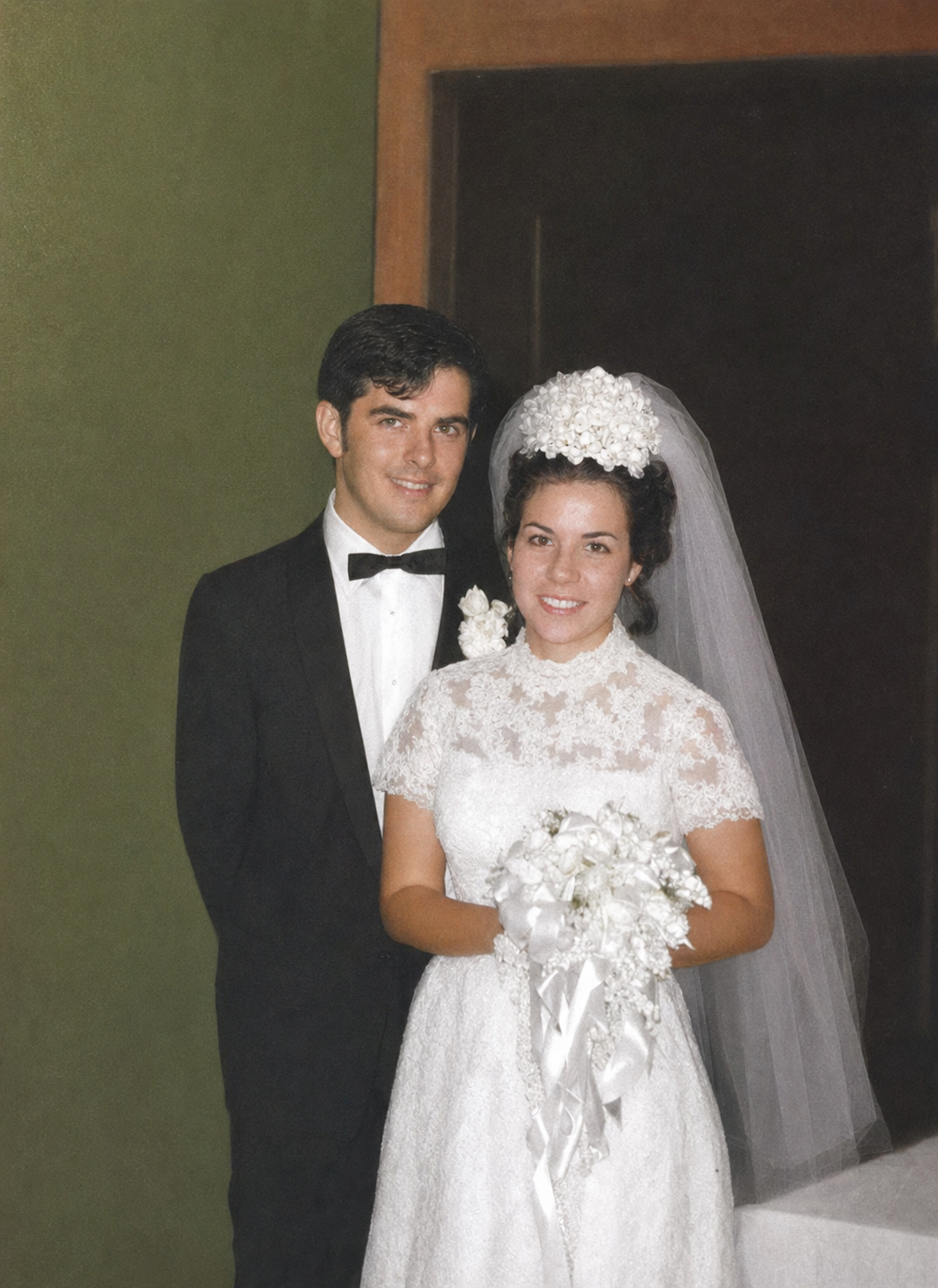
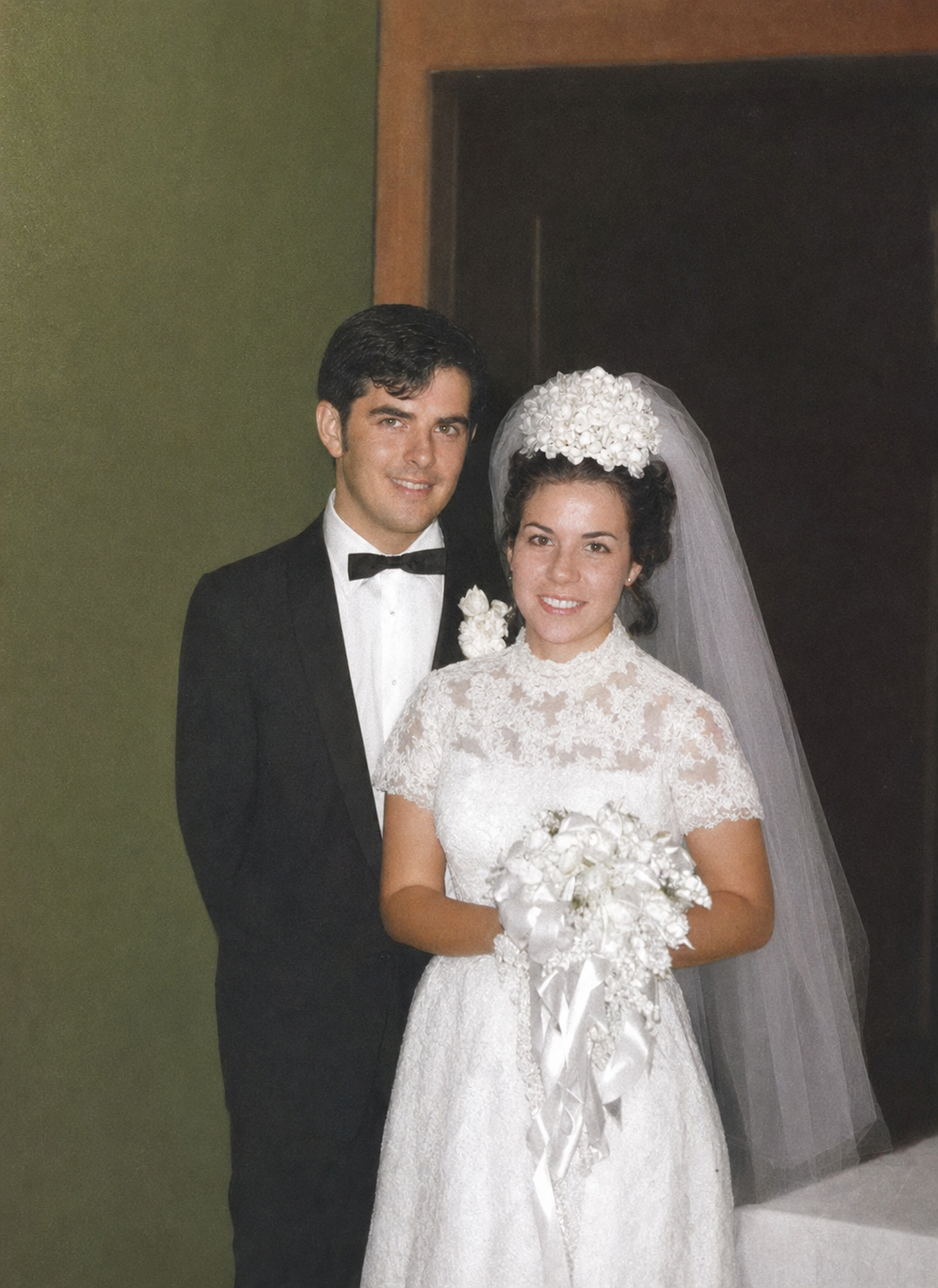
But there was one image that mattered more than the rest. It was the only photograph they had from their wedding day.

“It was the only photograph they had from their wedding day.”

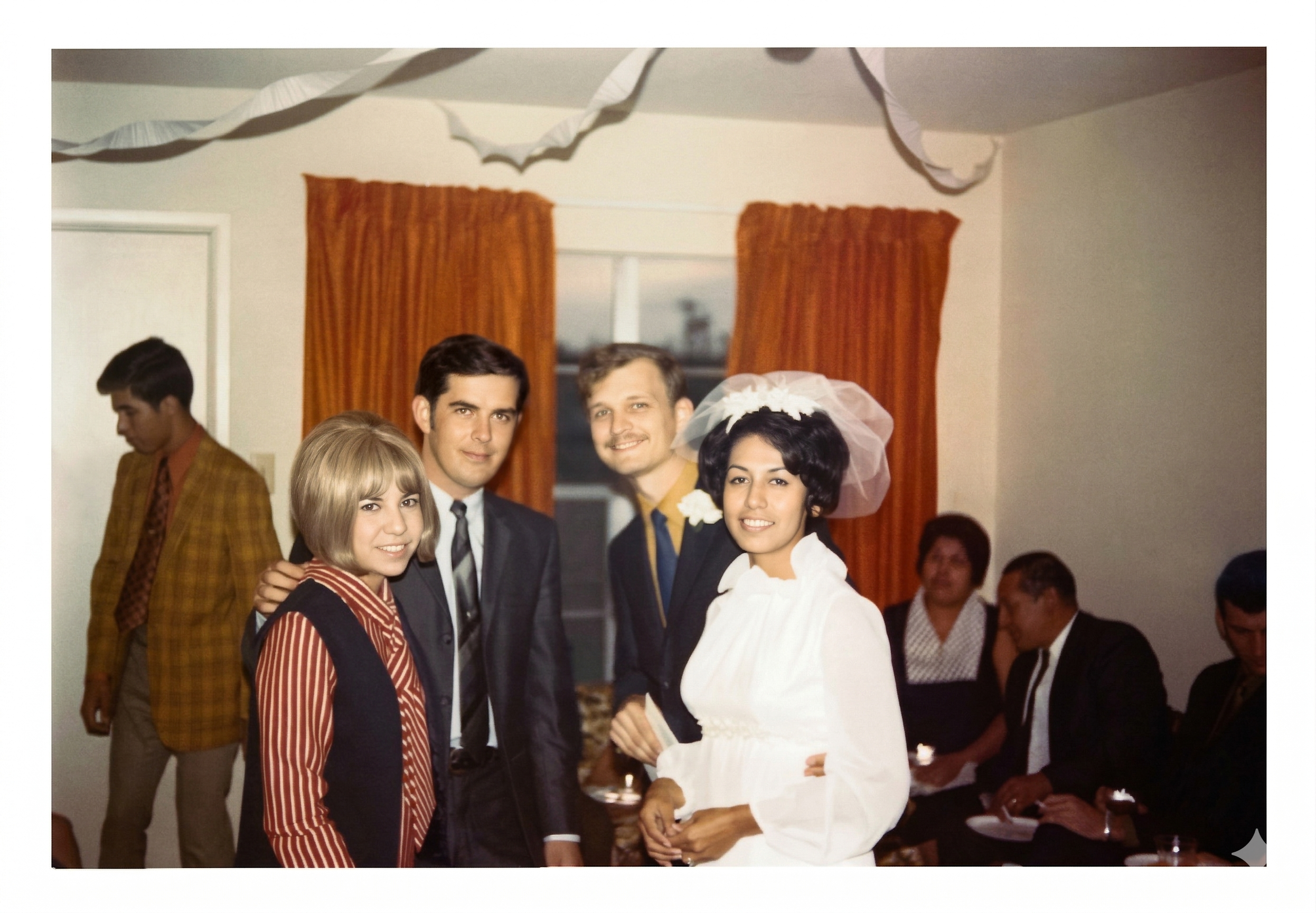
Howard & Elsa - 1970

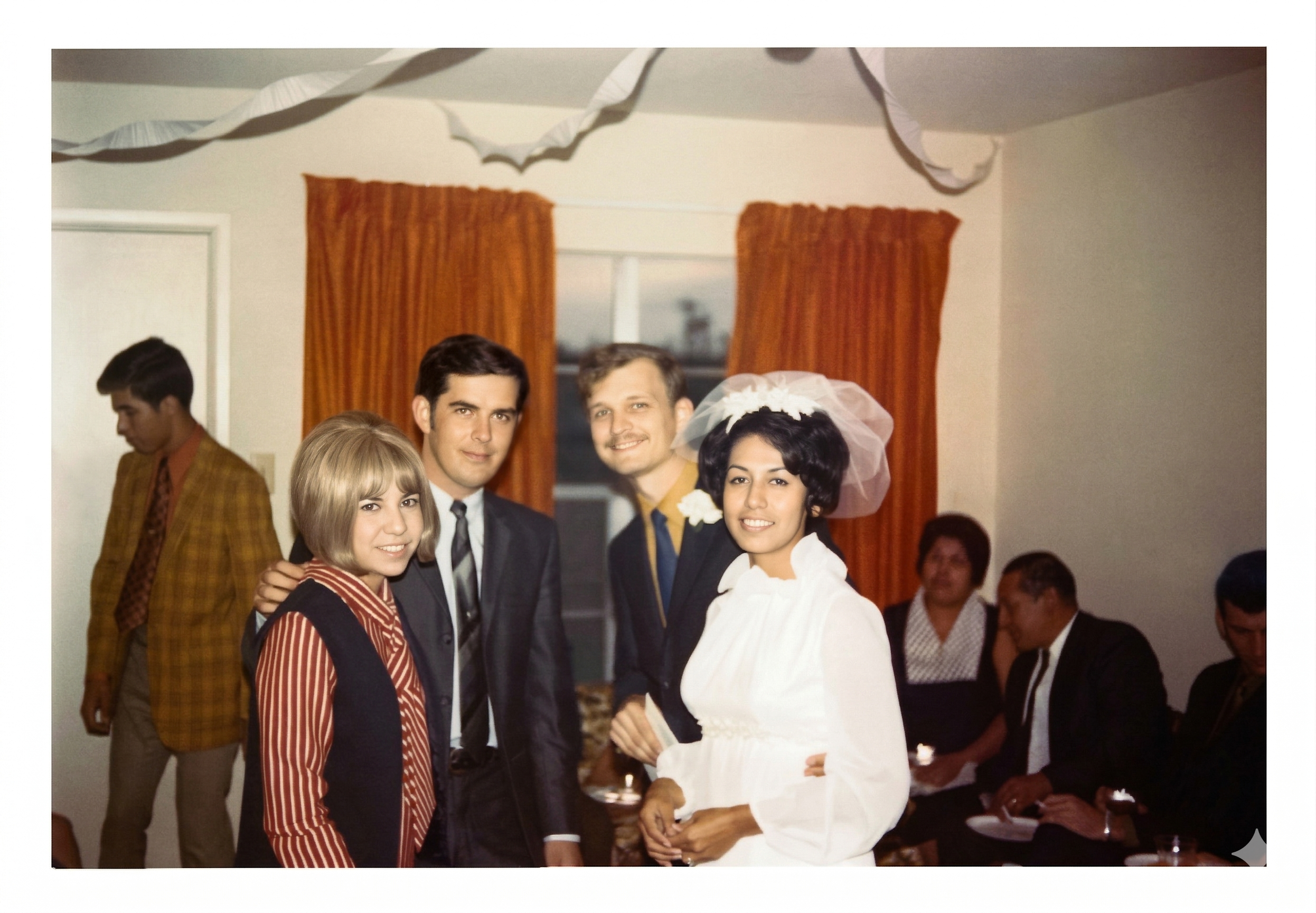
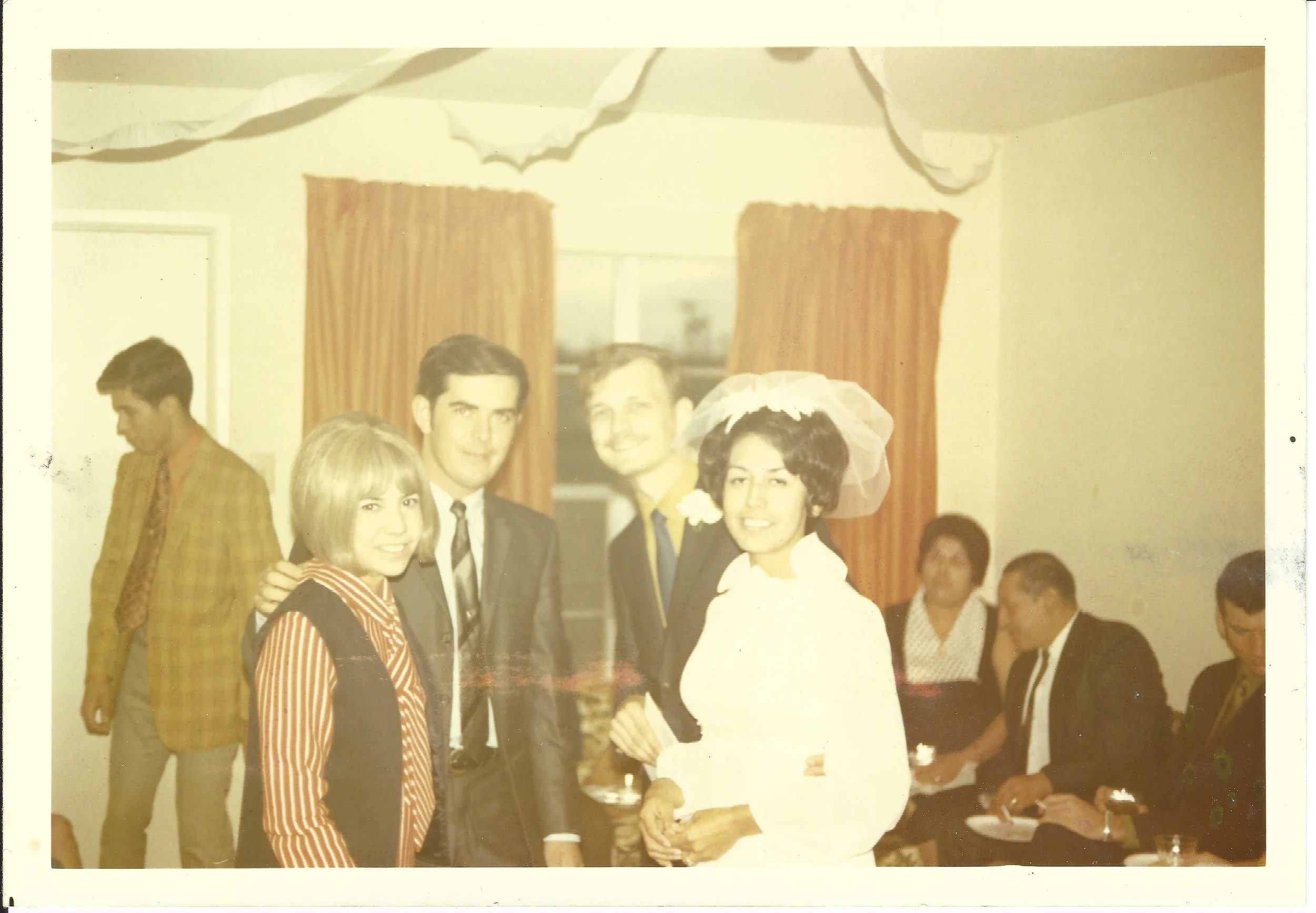
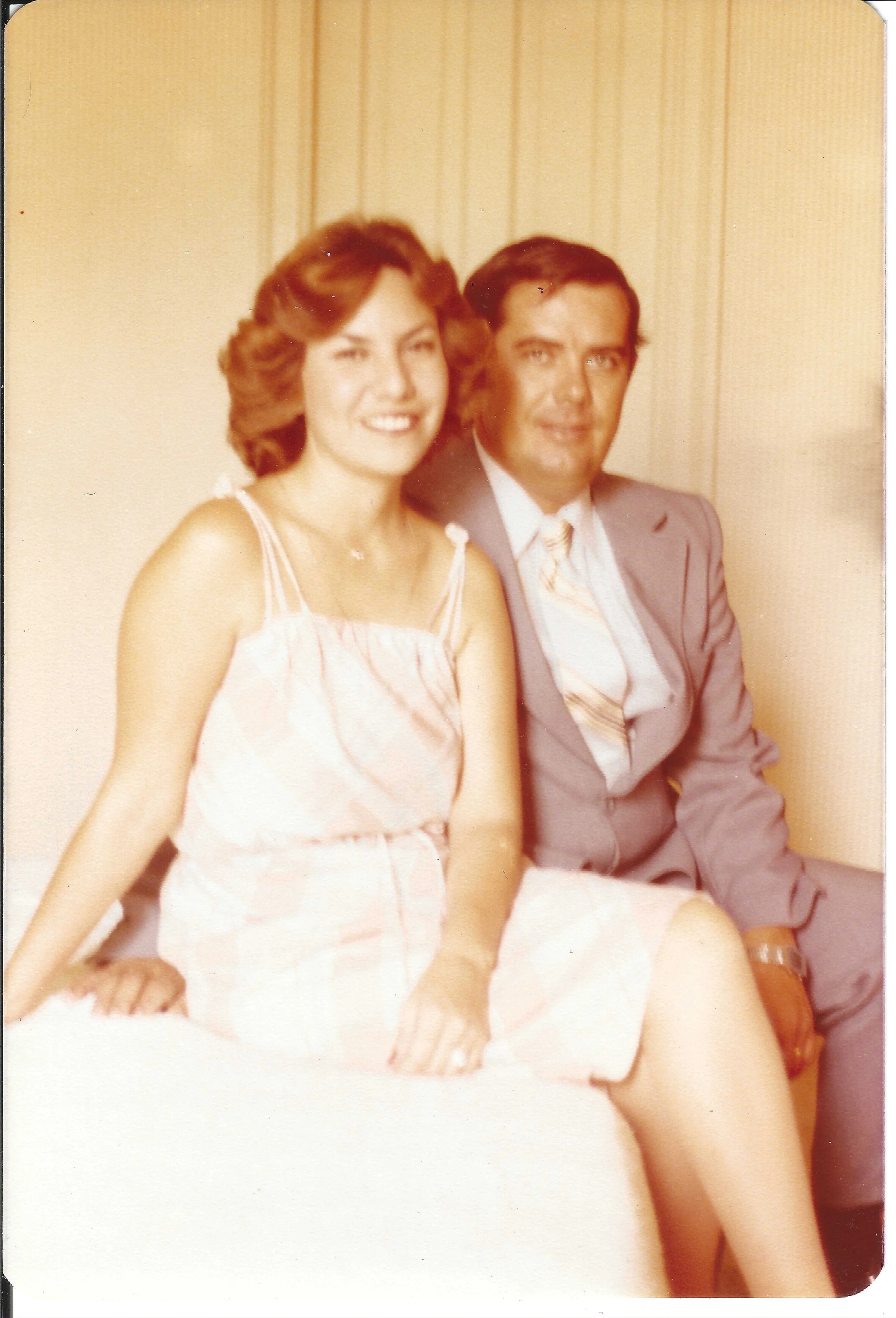
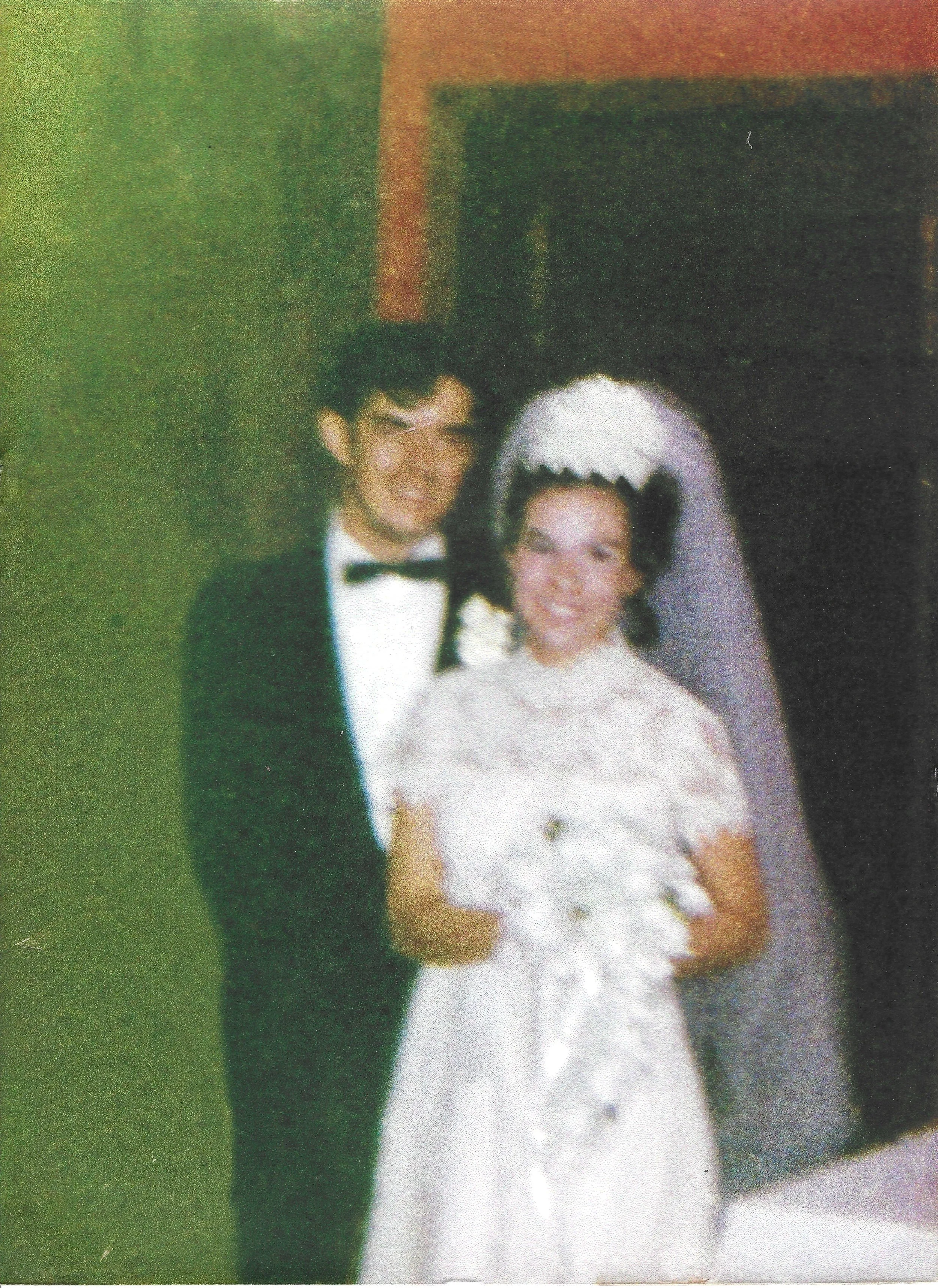
The photo had not been taken by a professional photographer. It had been taken by a friend on a disposable camera. Over the years, the original image had been lost or degraded to the point that what remained was essentially a photocopied printout on printer paper. It was blurry, grainy, faded, out of focus, and far from technically perfect.

But the essence of their wedding day was still there. A young couple. A wedding dress. A smile. A moment.
The husband wanted to restore the image as a gift for his wife. He was not asking for perfection. He simply wanted to know if there was any way to bring back even a little more life, clarity, and beauty to the only image they had from that day.

I told them the truth: it was a long shot.

But I also had hope.

With the advancements in AI, combined with years of experience in Photoshop, photography, color correction, and image repair, I believed there might be a way to recover something meaningful from what remained.

Not a fake version of the photo.
Not a completely new image.
But something closer to the original memory.


The First Step: Understanding the People in the Photograph

Before I could begin restoring the wedding image itself, I needed to understand what they looked like during that period of their lives.

That became one of the most important parts of the entire process.

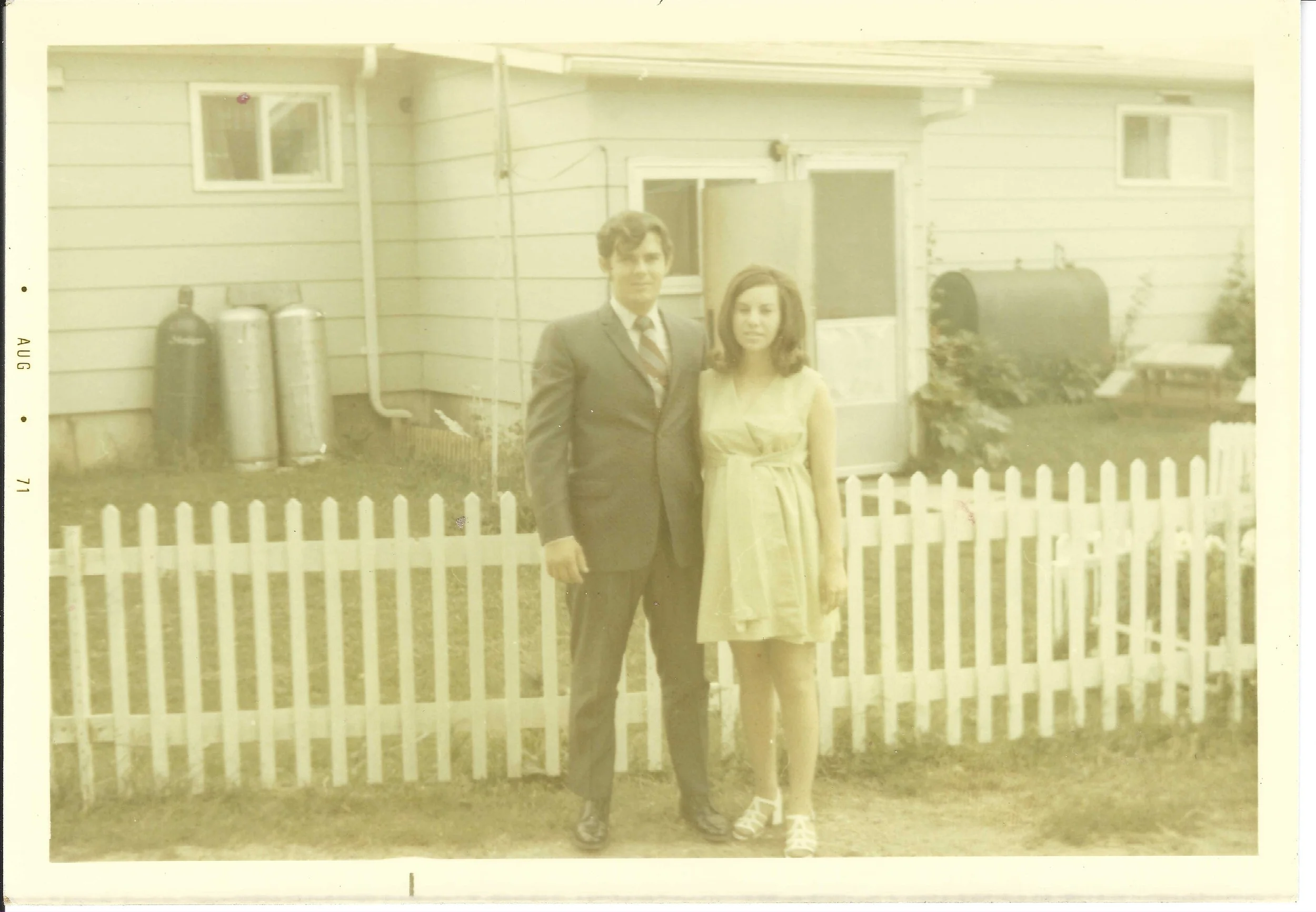
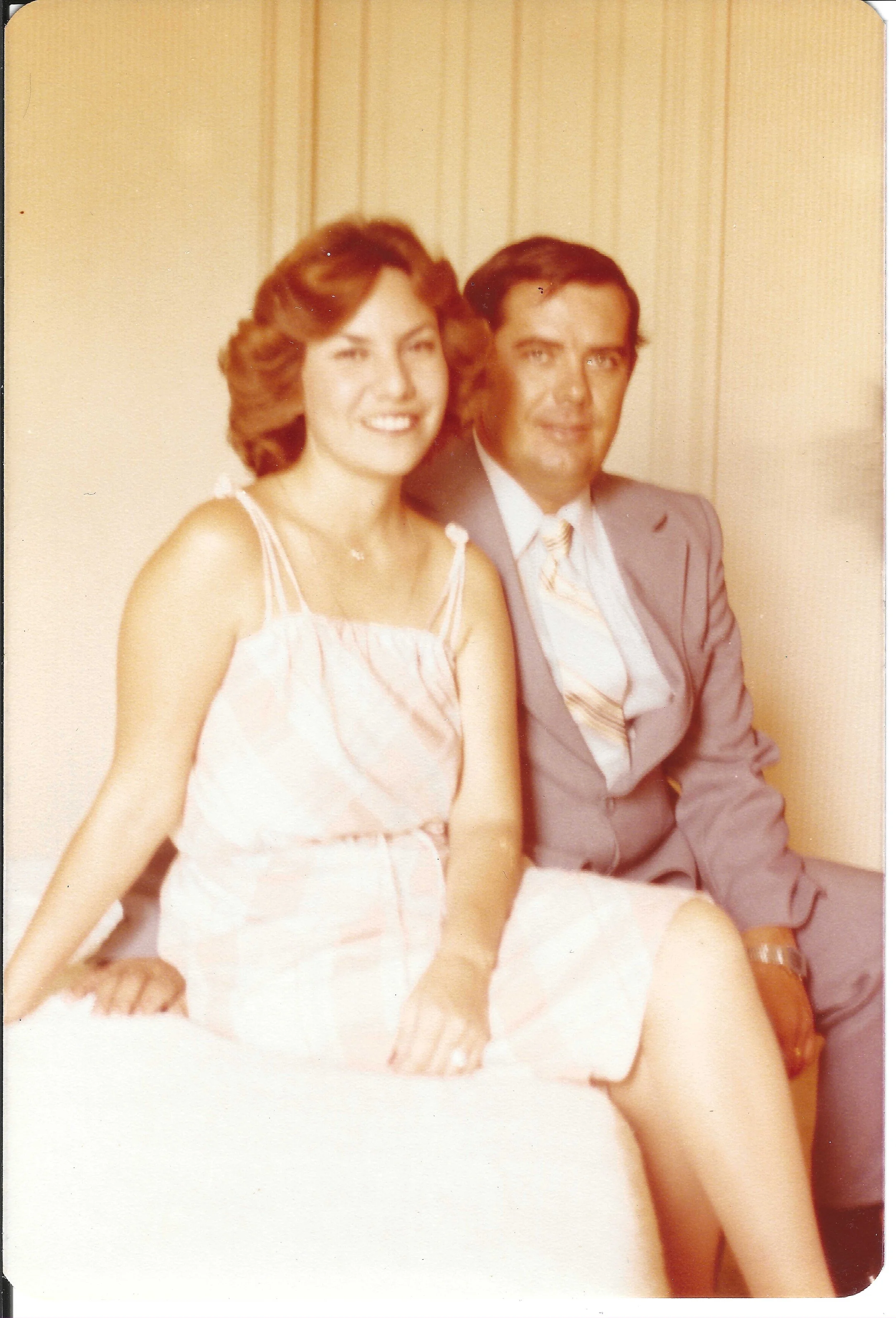
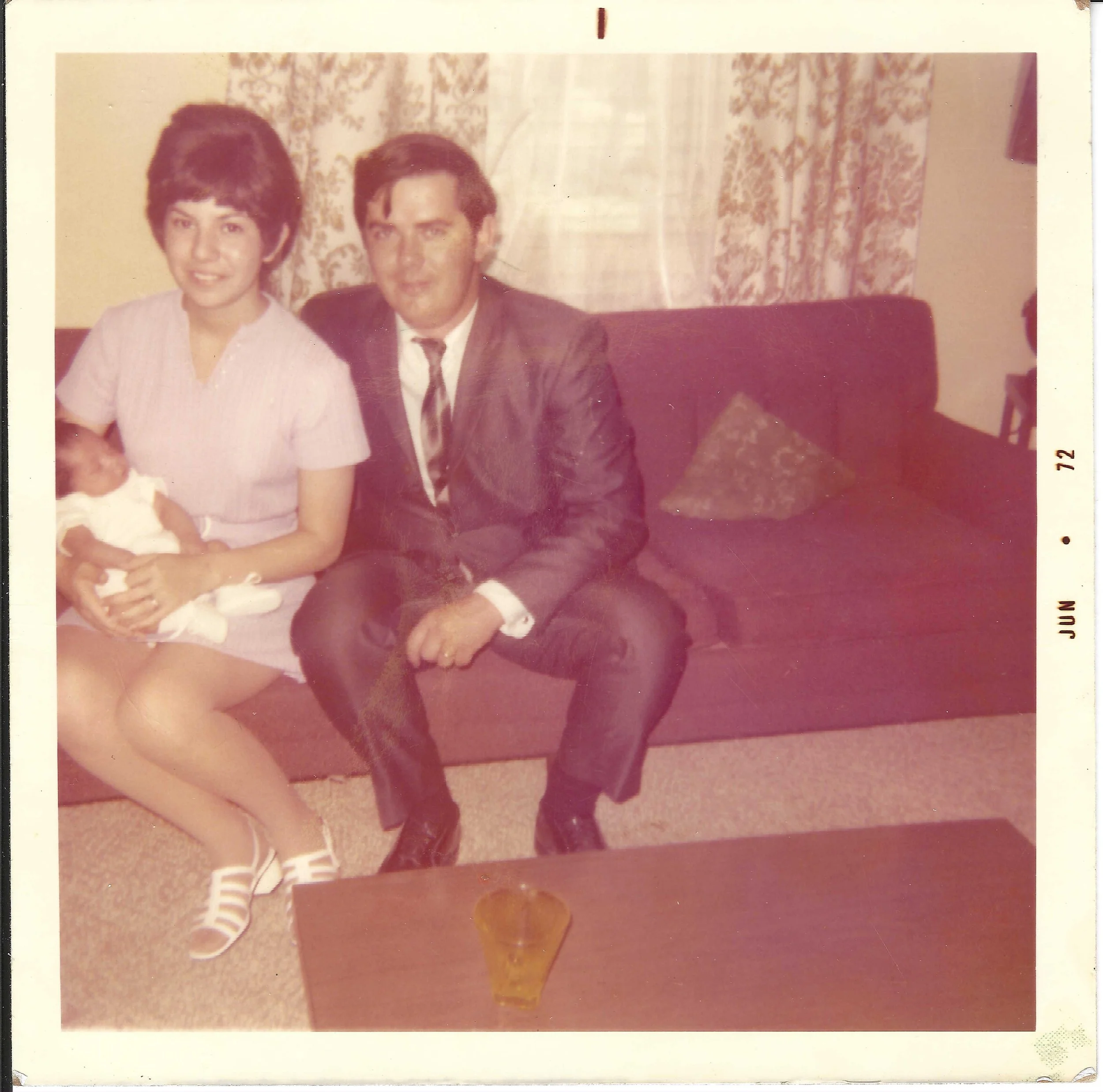
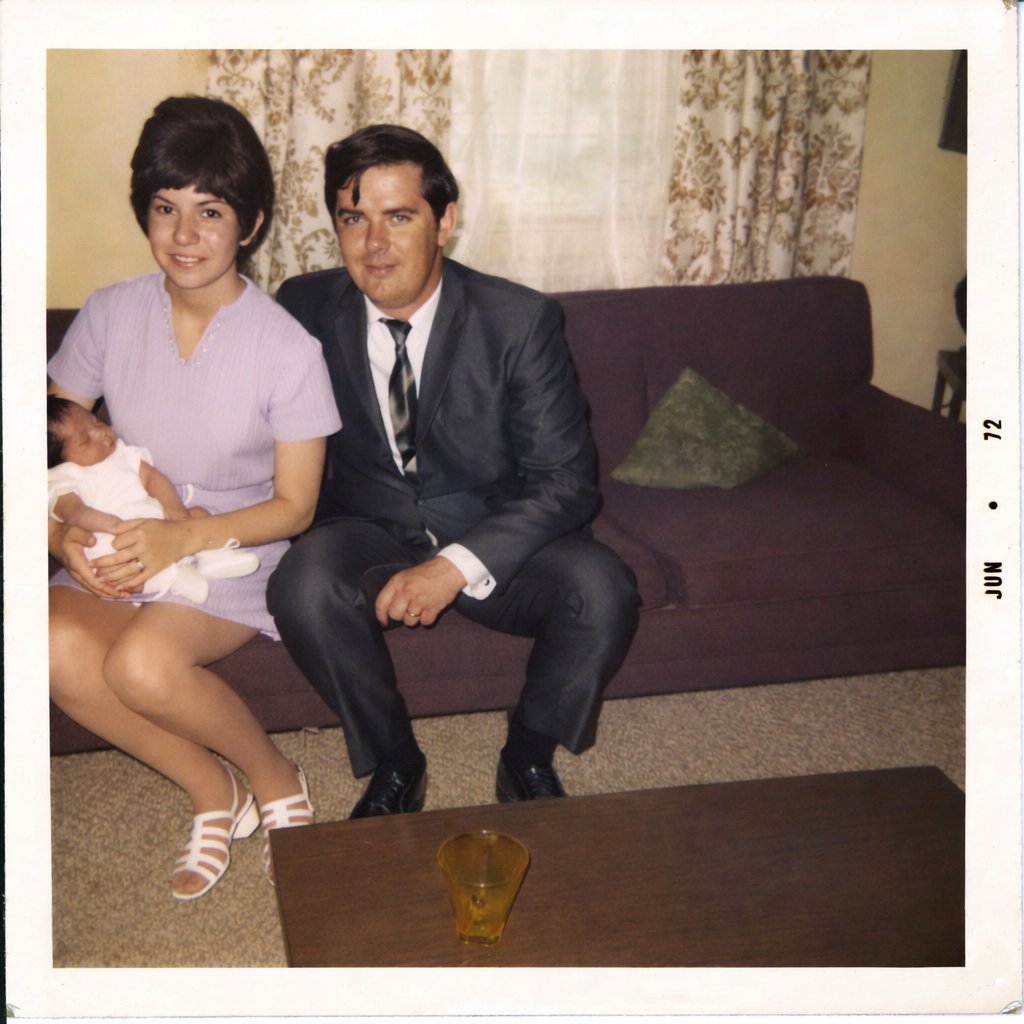
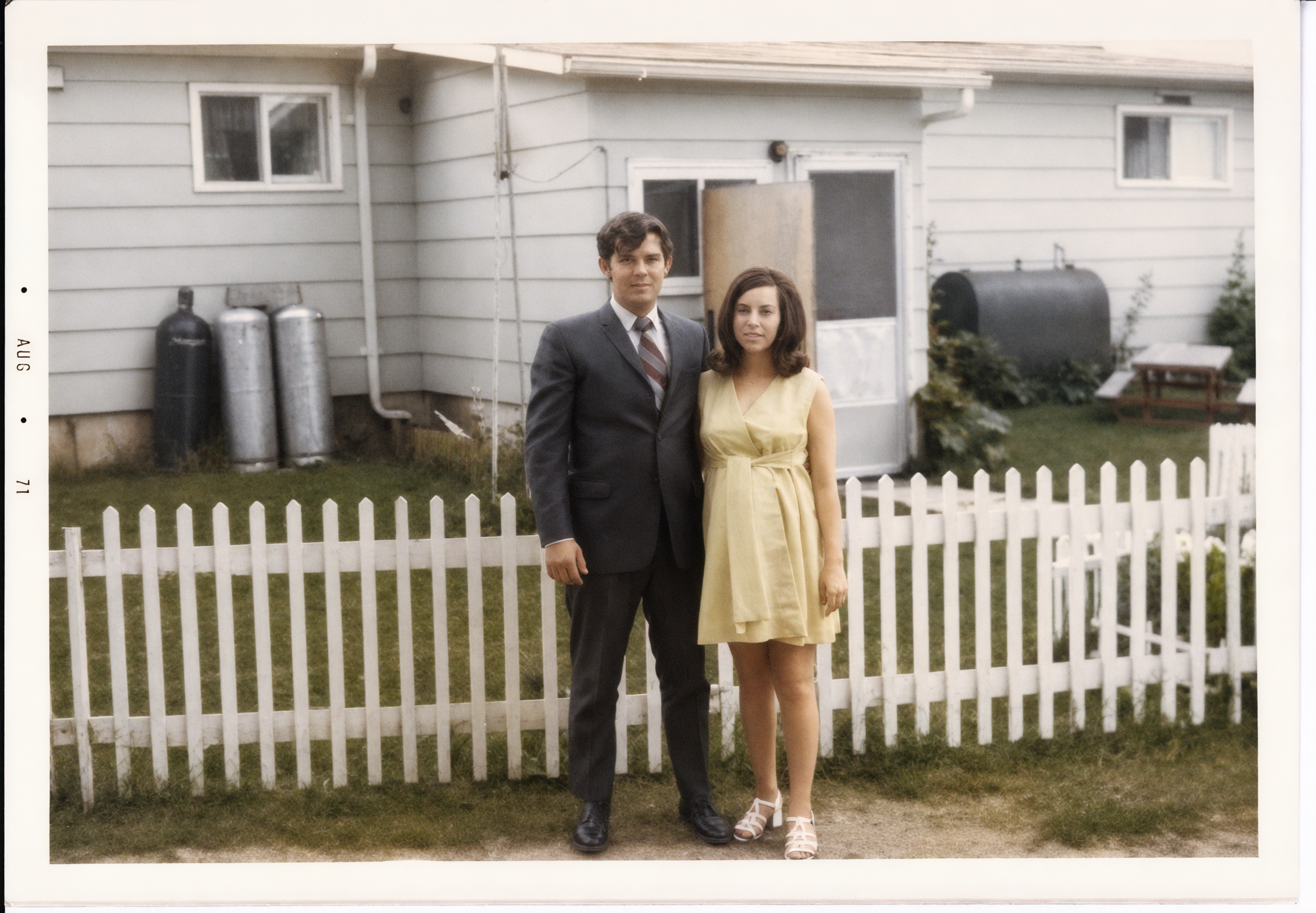
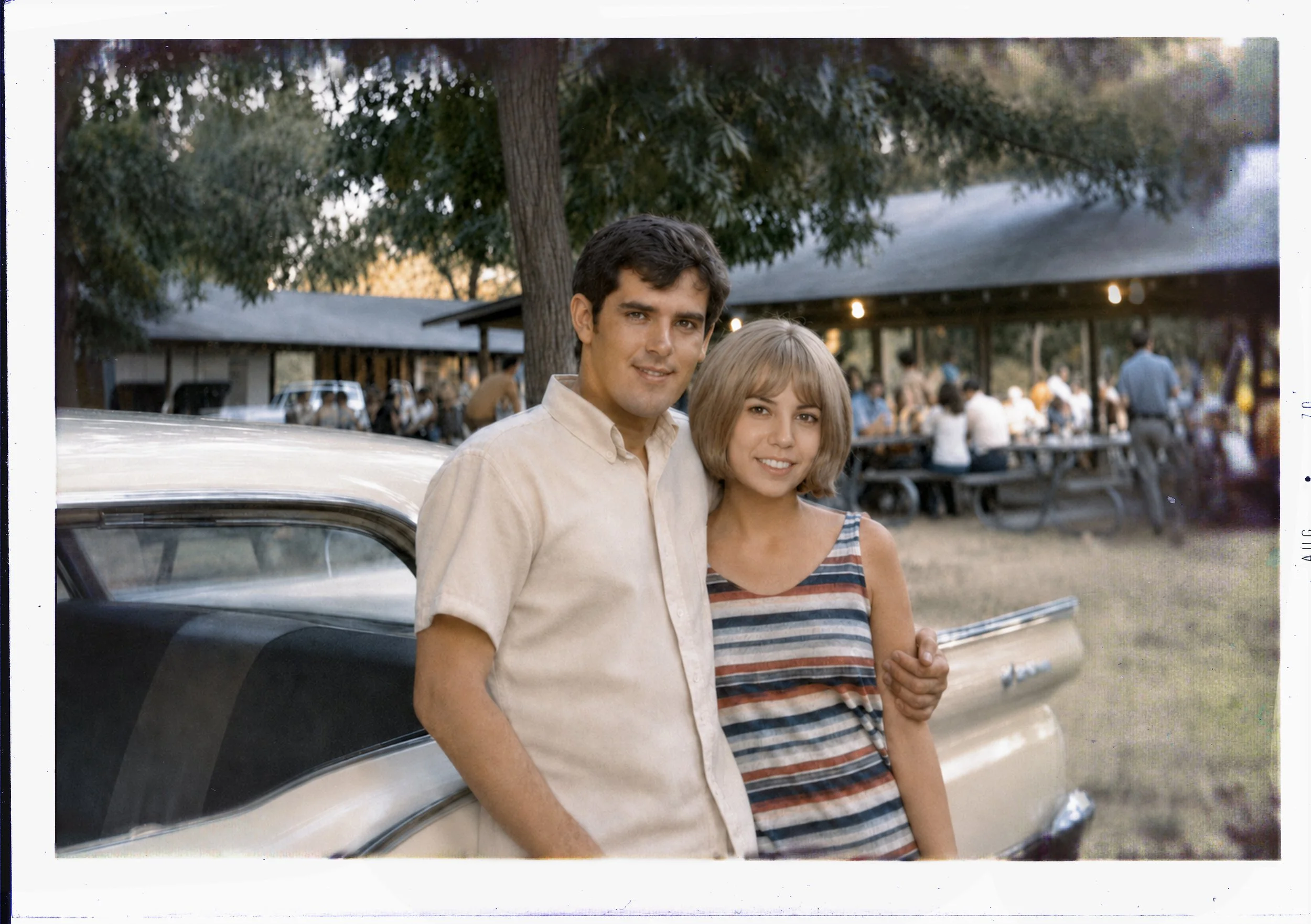
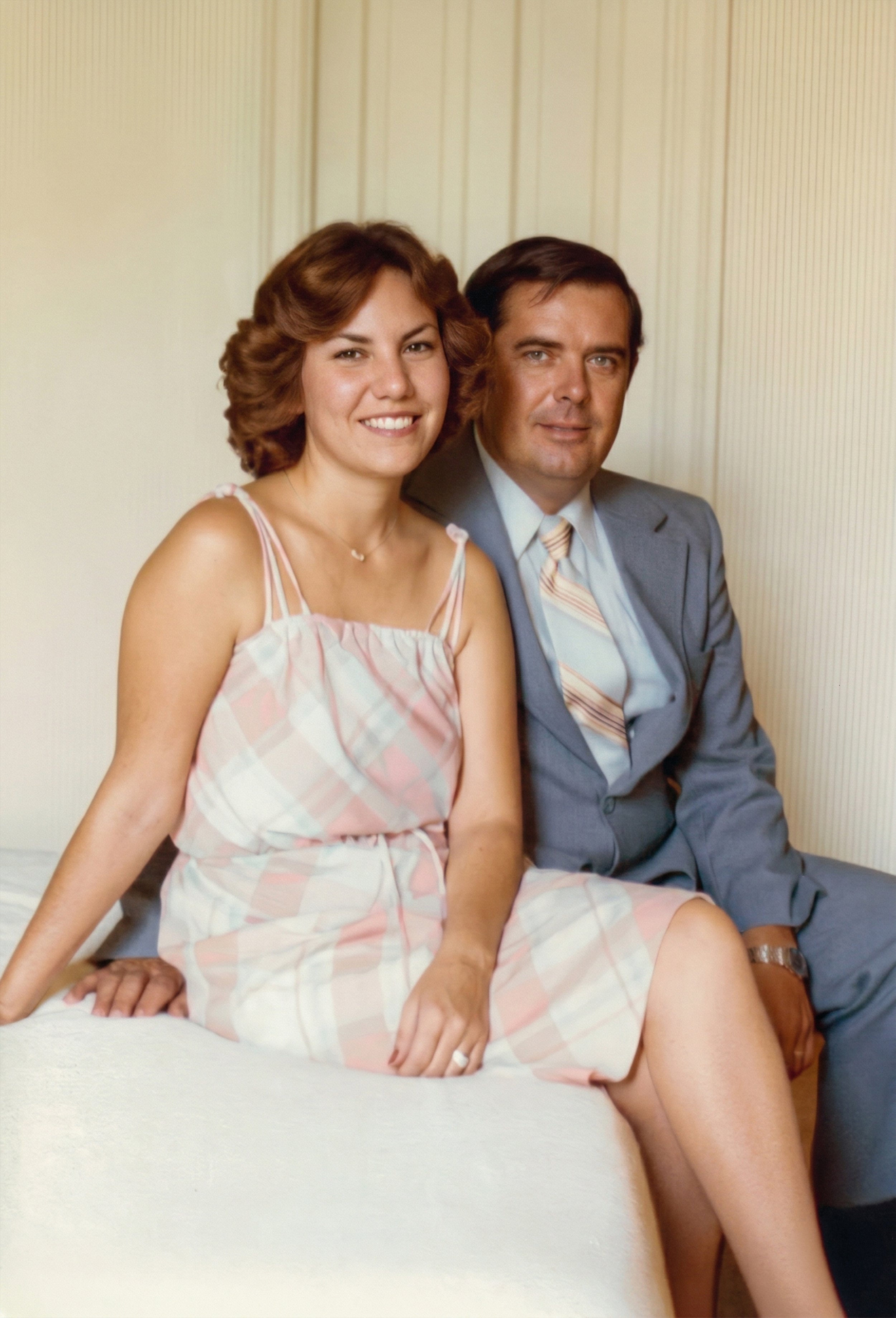
I sat down with them in person and went through their old photo albums. We looked at pictures from shortly after they were married, photos from when they were dating, pictures taken at friends’ houses, family gatherings, parties, and other moments from that same season of life.

This was not just about finding “reference images.” It was about gathering visual evidence.


What did their faces look like from different angles?
How did they smile?
What did their hair look like?
What were their natural expressions?
How did their skin tone appear in other photographs from that time?
What details were consistent across multiple images?

When restoring a badly damaged or blurry photograph, especially one involving faces, you cannot rely on a single image. If the original photograph is too degraded, the missing detail has to be interpreted very carefully. The goal is not to invent a new face, but to rebuild enough visual understanding to restore the original person faithfully.

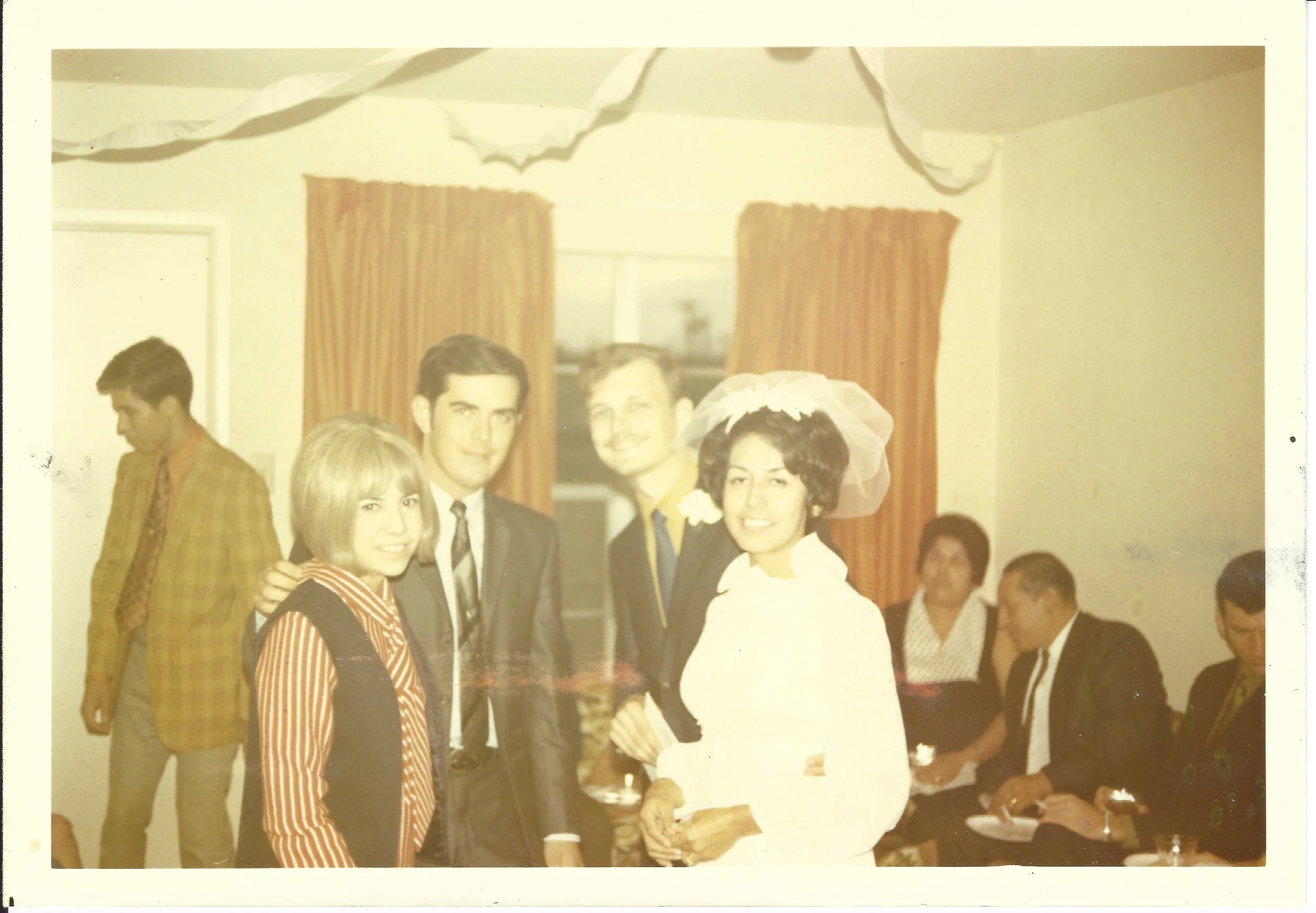
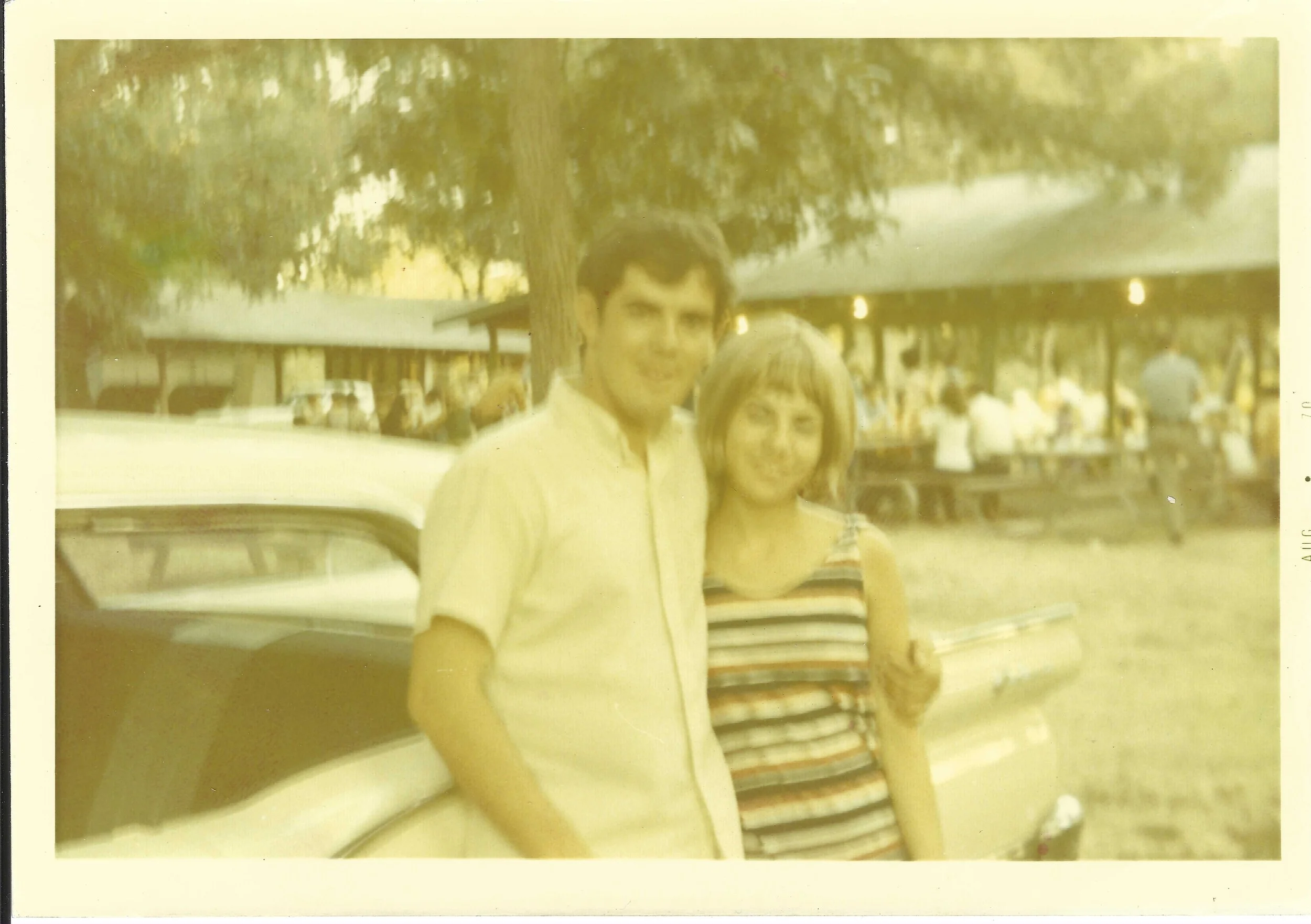
So I scanned the images using a flatbed scanner and also photographed some of the original prints when needed. Each image had its own issues. Some were faded. Some had color shifts. Some were soft or out of focus. Some had discoloration, paper texture, grain, or damage from age. Together, they helped build an identity foundation.

These supporting images became the key to restoring the more difficult ones.


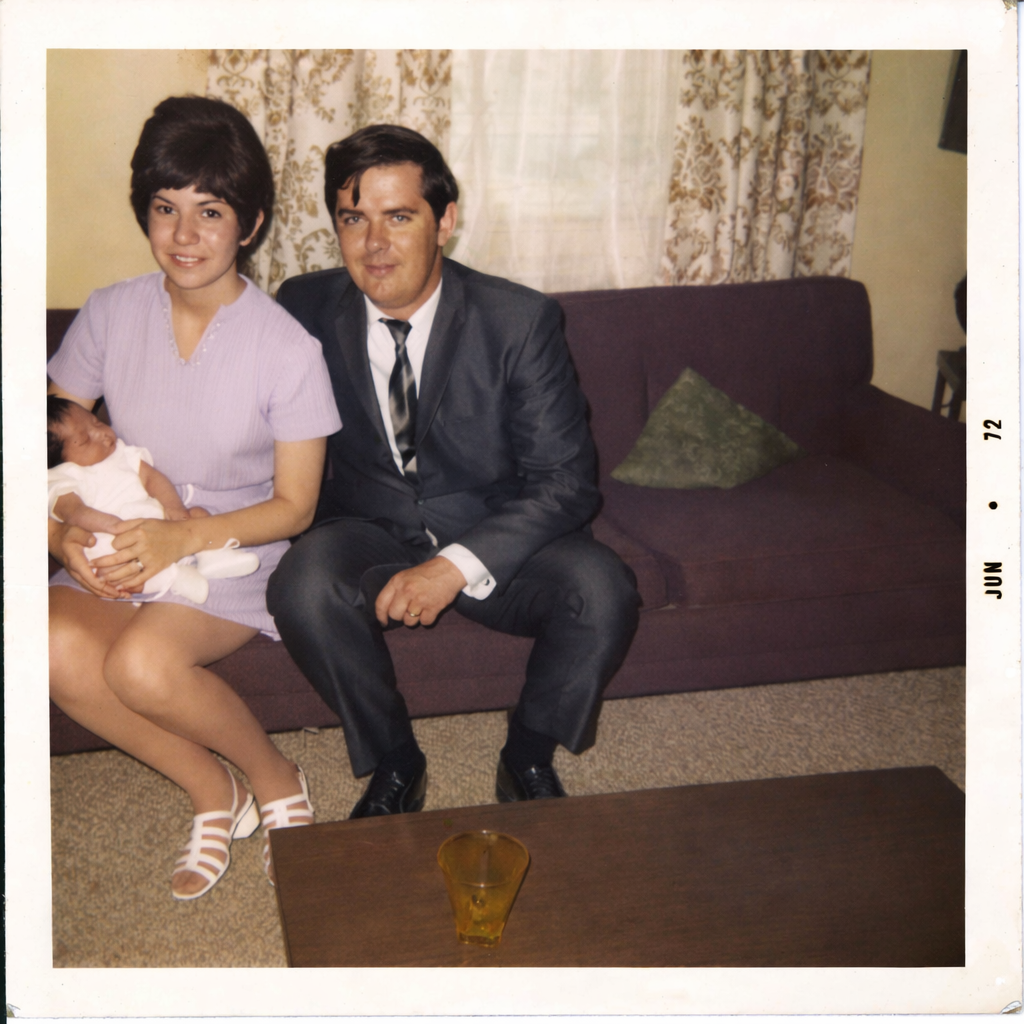
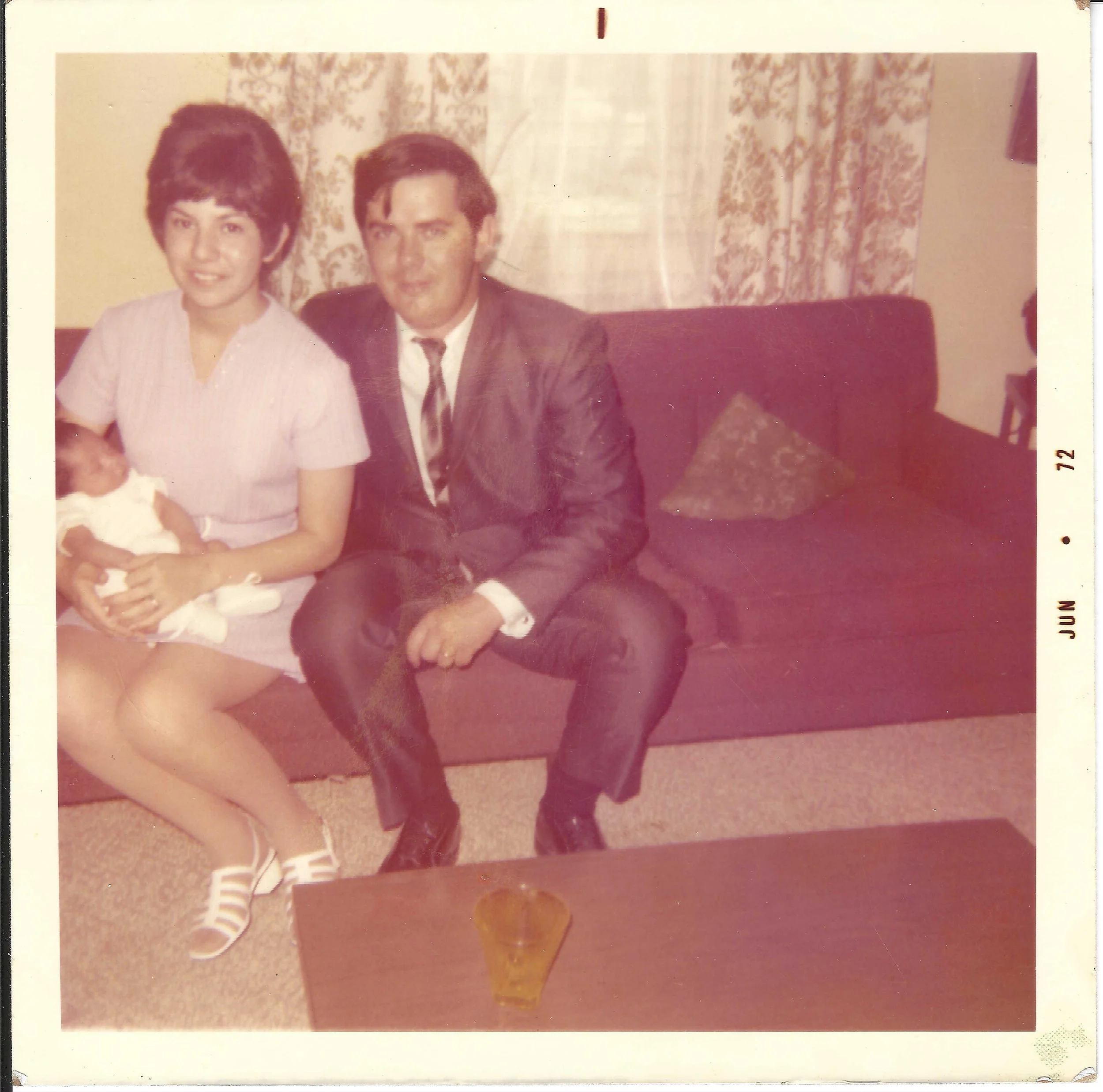
Before After

Starting with the Easier Images First

I did not begin with the wedding photograph. That image was too important, and too damaged, to treat as the first experiment.

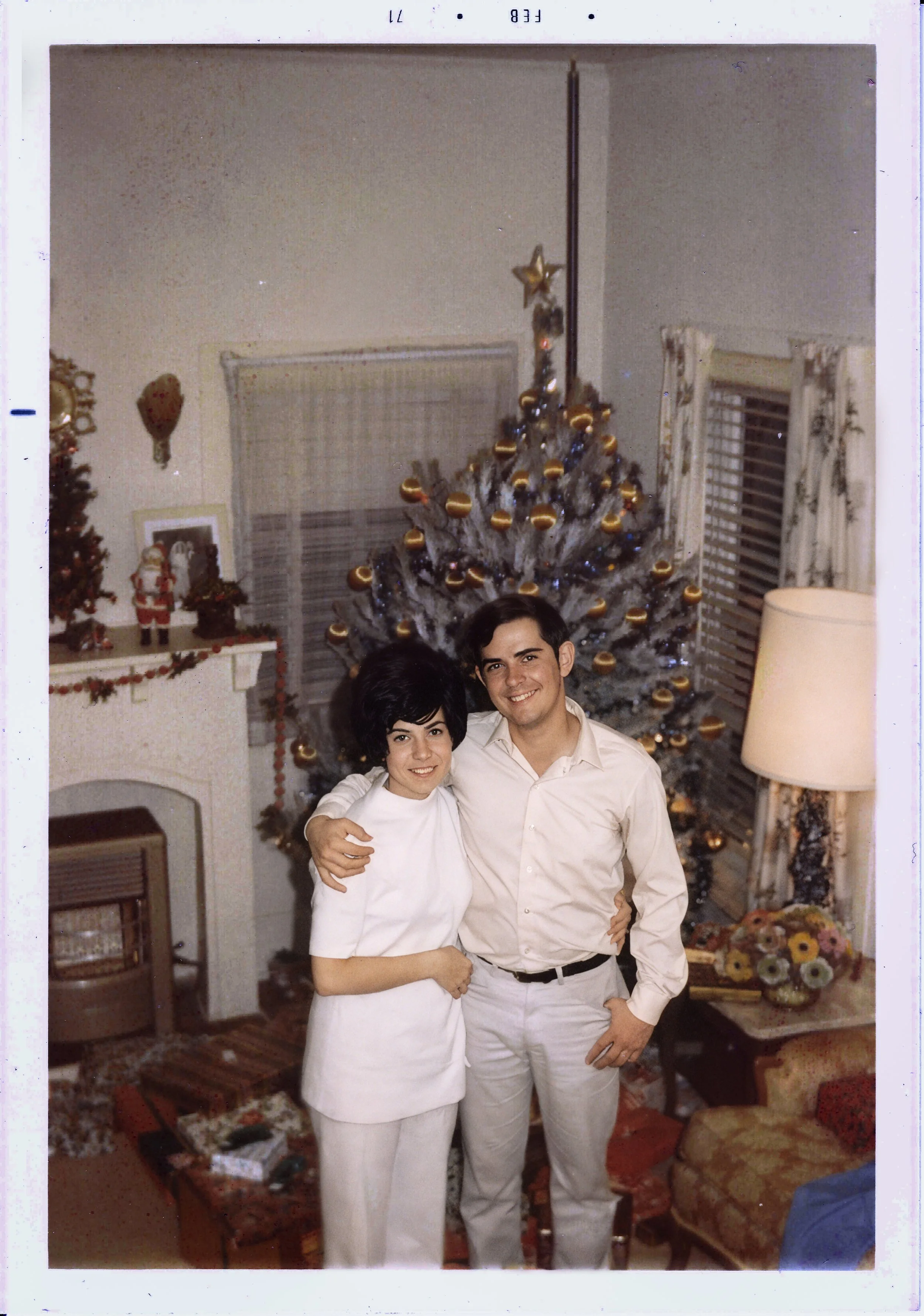
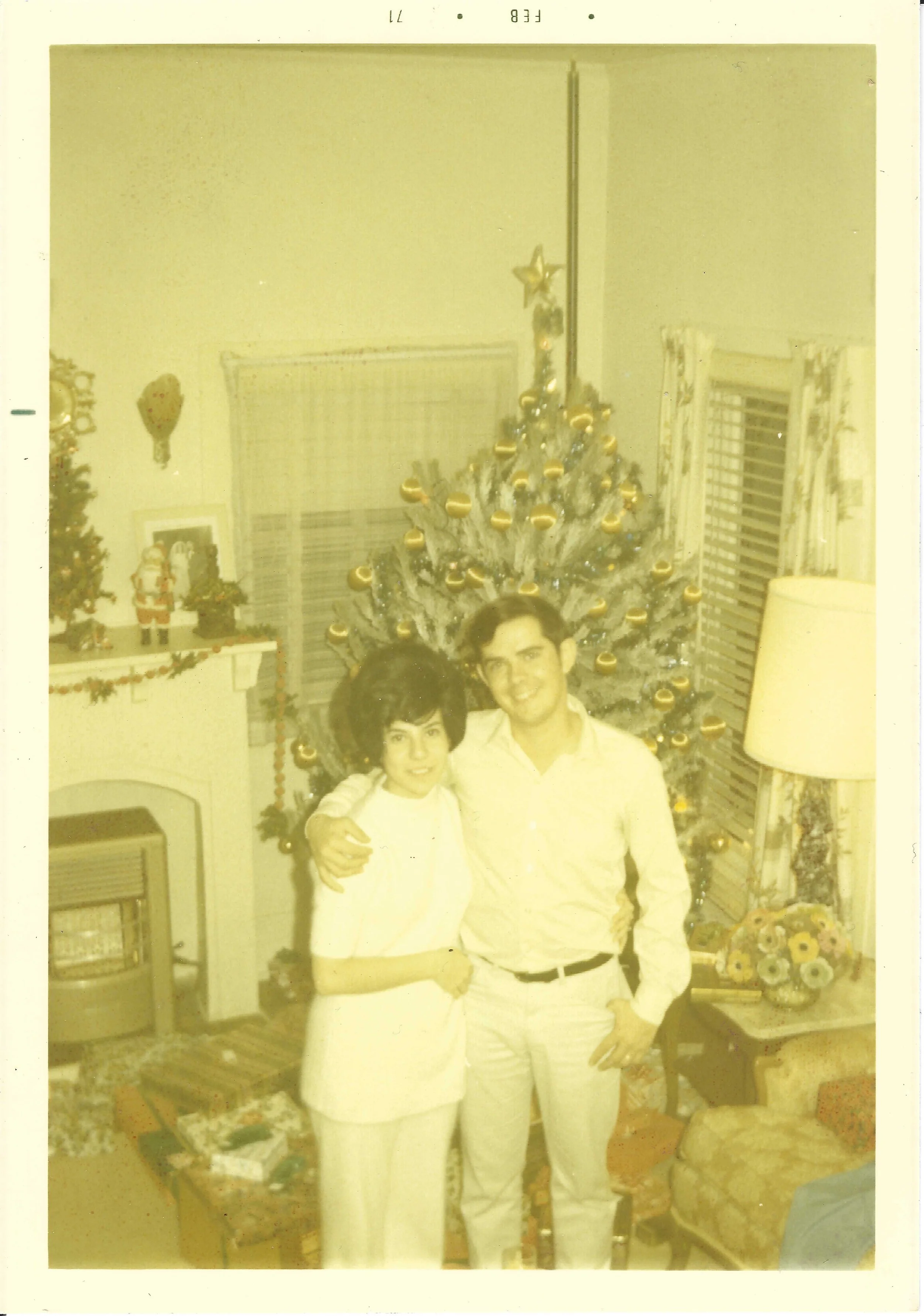
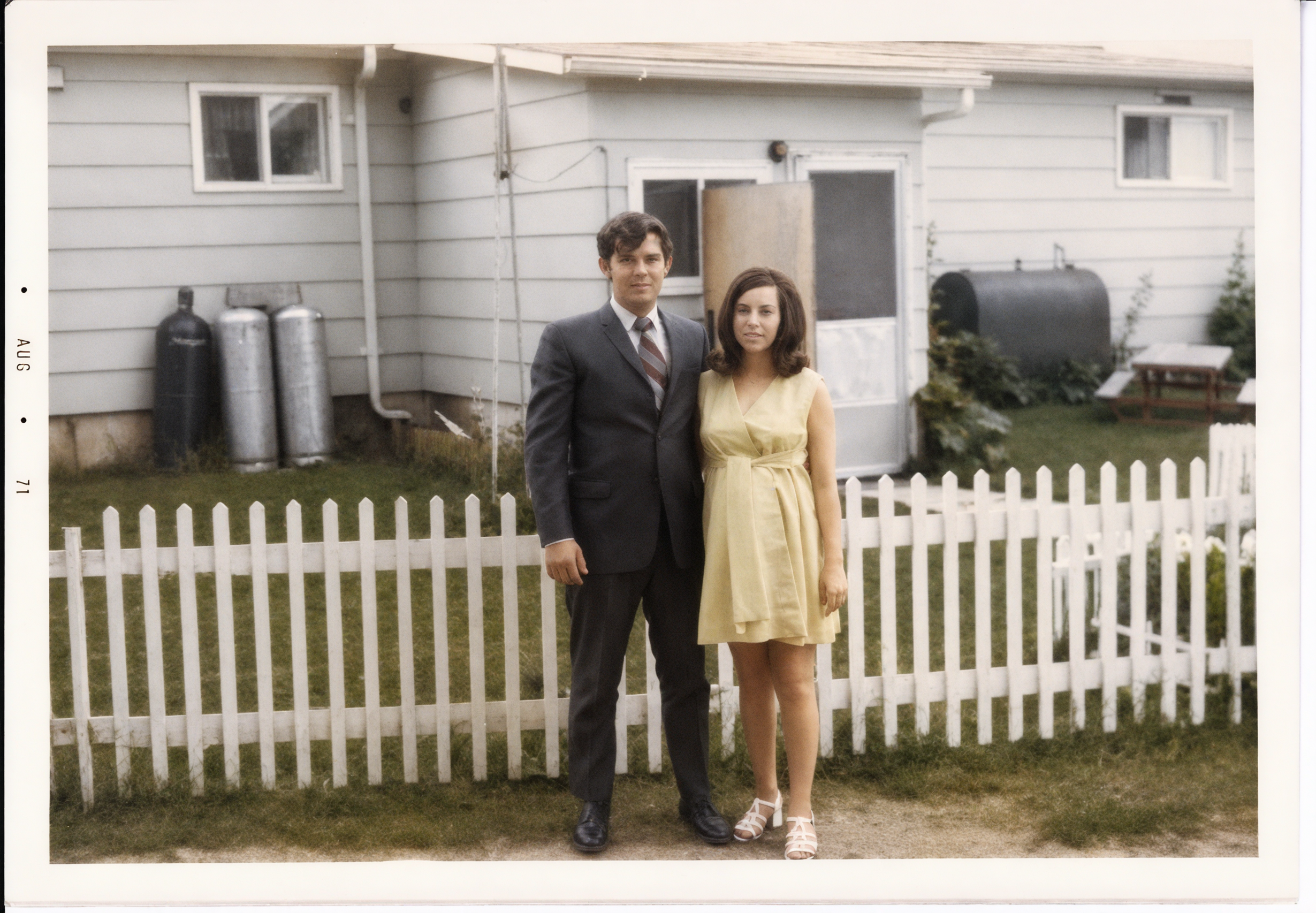
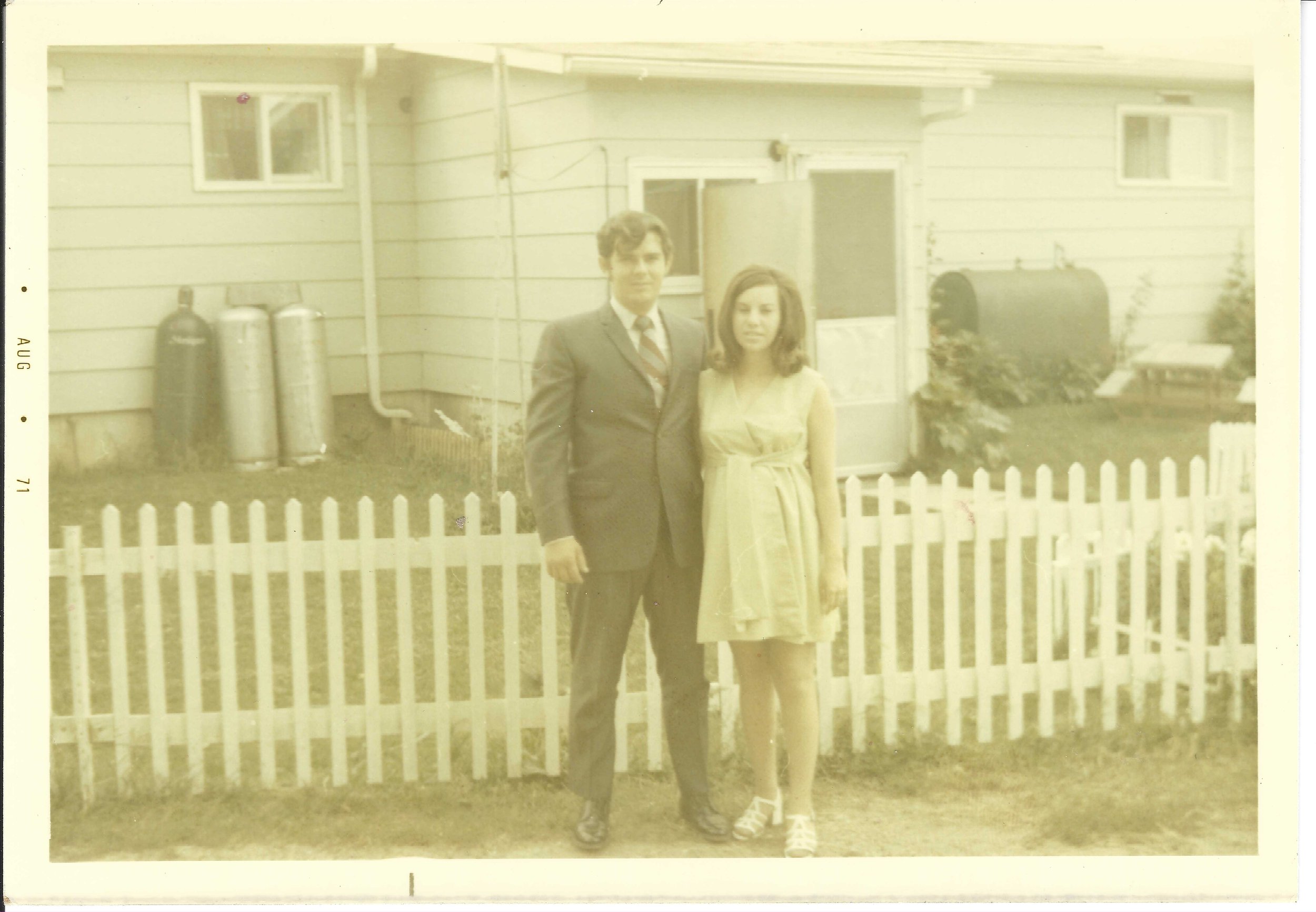
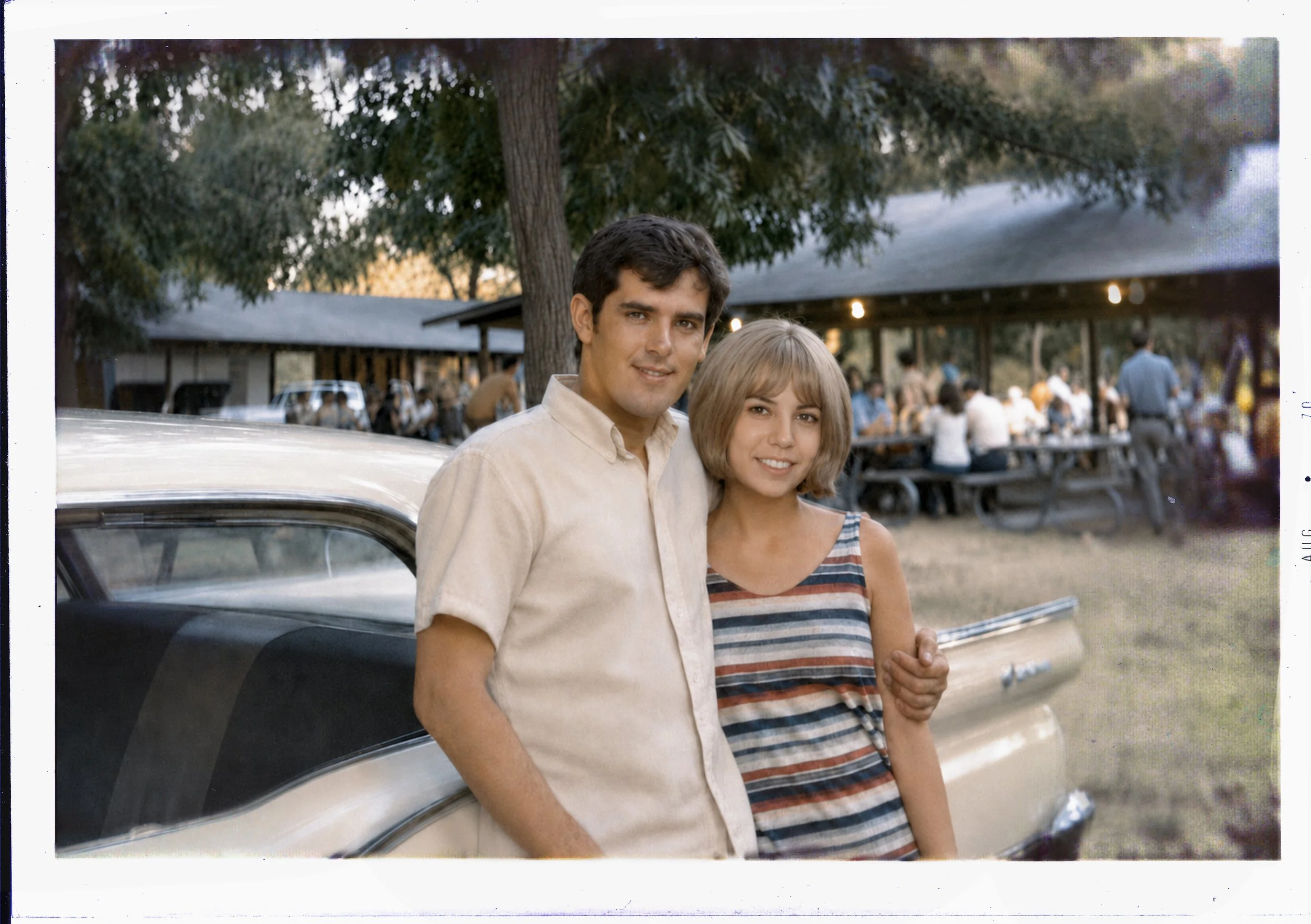
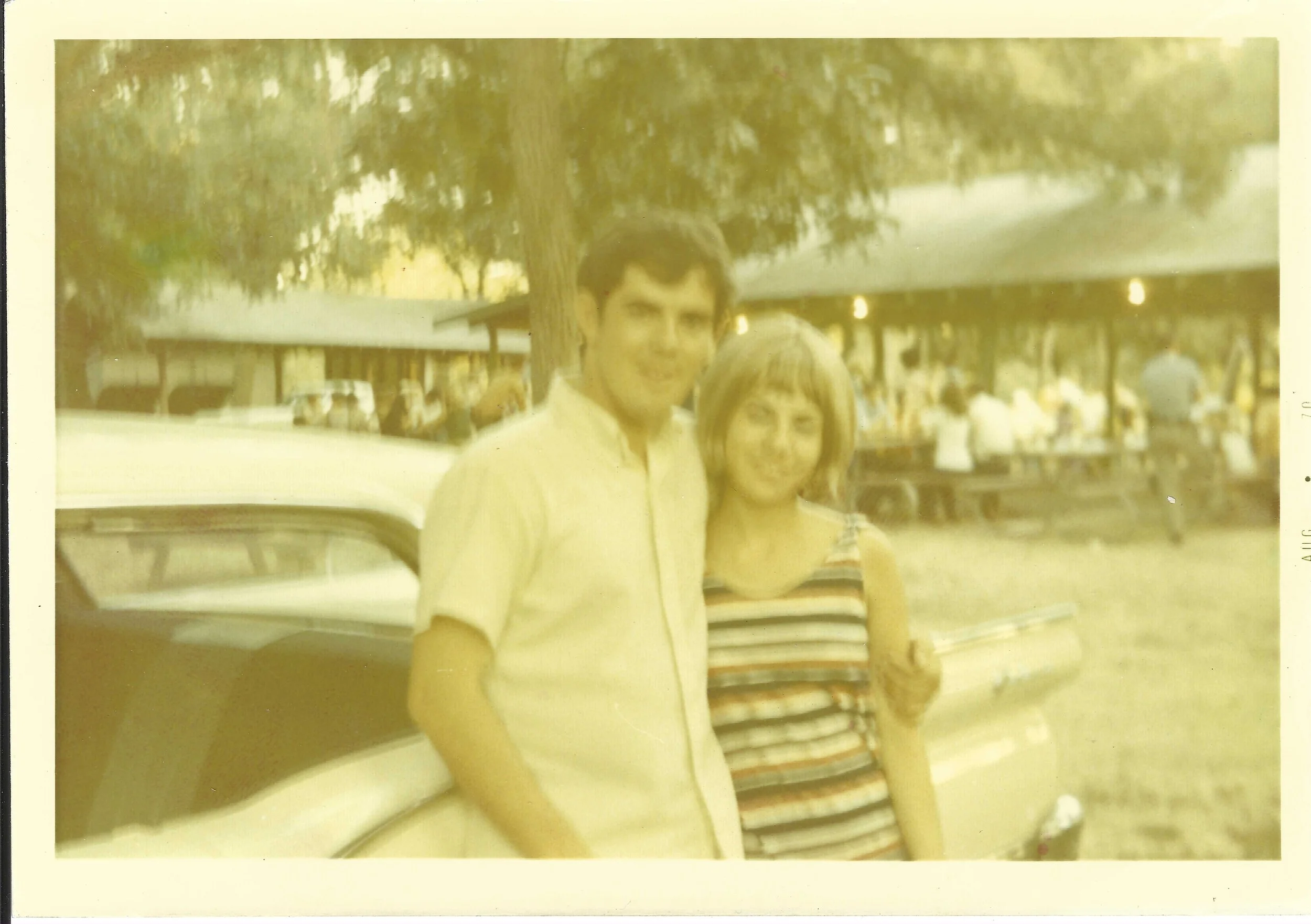
Instead, I started with some of the easier photos. These were images that needed lighter restoration: color correction, improved contrast, removal of fading, sharpening, and cleanup of age-related discoloration.

This helped me build a process.

Each image taught me something. Some needed careful exposure correction. Some needed skin tones brought back to a more natural place. Some needed yellowing or magenta color casts reduced. Some needed texture cleaned up without making the photo look fake or plastic.

That was one of the first major lessons of the project:

Restoration is not the same thing as beautification.

The goal was not to make the images look modern, airbrushed, or overly perfect. The goal was to preserve the people and the memory while gently restoring what time, blur, and damage had taken away.

Before After

Preparing the Images Before AI

A lot of people assume AI restoration is a simple one-click process. It is not. Before an image ever goes into an AI tool, there is a lot of traditional restoration work that often needs to happen first.

For these photos, the preparation process included scanning, cropping, exposure correction, contrast adjustments, dust and artifact cleanup, color balancing, and in some cases manually reducing damage or discoloration in Photoshop.

This step matters because AI tools respond to the quality of the input. If the image going in is too distorted, too discolored, or too damaged, the AI may make strange assumptions. It may invent facial details. It may over-smooth skin. It may change hair, expression, or even the shape of someone’s face.

So the goal in the early phase was to give the AI the best possible foundation. That meant doing the unglamorous work first: cleaning, balancing, correcting, and preparing the file.

Only then could I begin testing AI-assisted restoration.


The Hardest Part: Preserving Identity

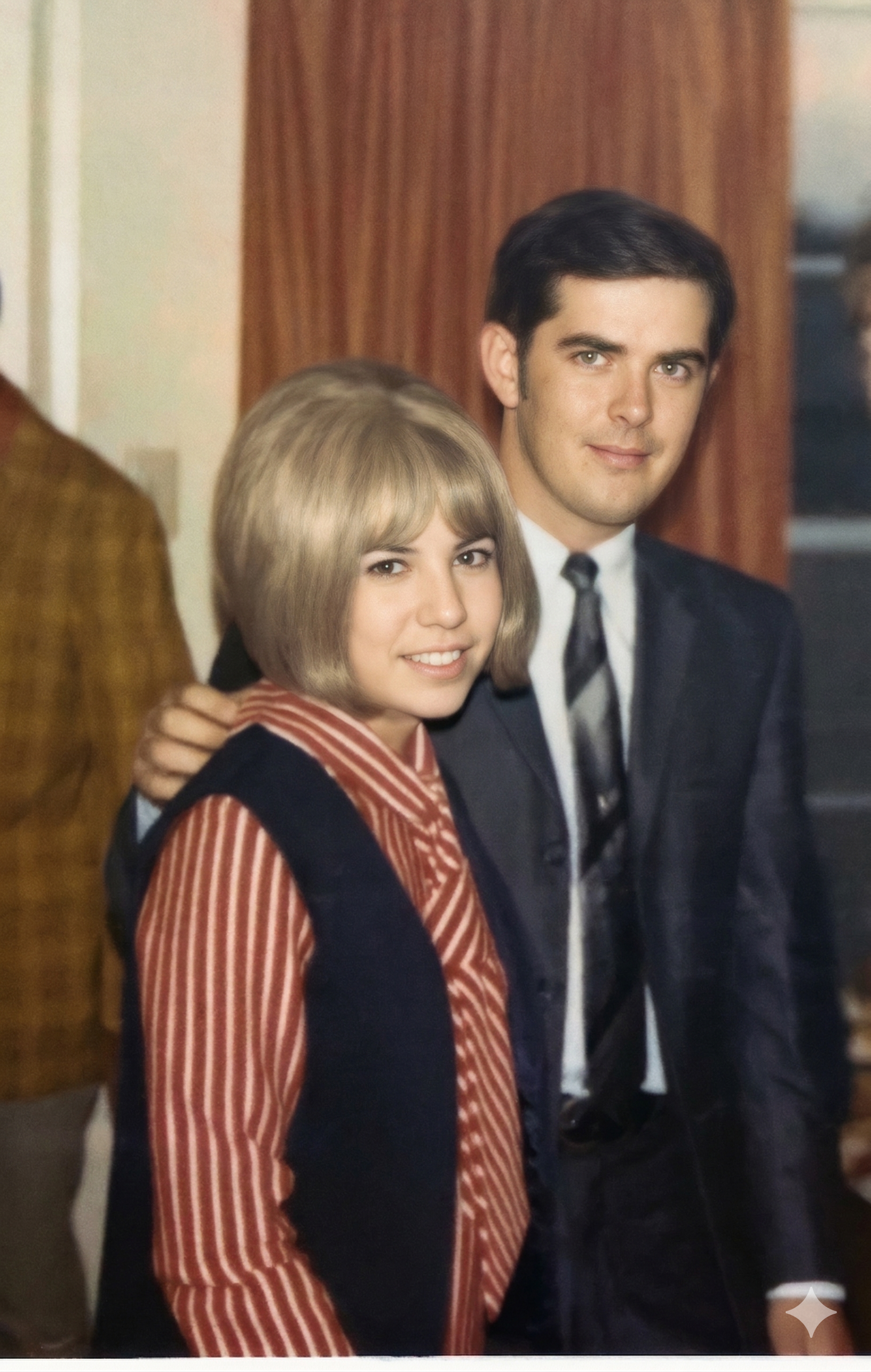
The biggest challenge was not simply making the photo sharper. The biggest challenge was keeping the people looking like themselves.

AI can be incredibly powerful, but it can also be too confident. When an image is blurry or damaged, the software may try to “complete” the missing information. Sometimes that works beautifully. Other times, it creates a person who looks realistic but no longer looks like the actual person in the photo.

That is where human judgment becomes essential.

Before After

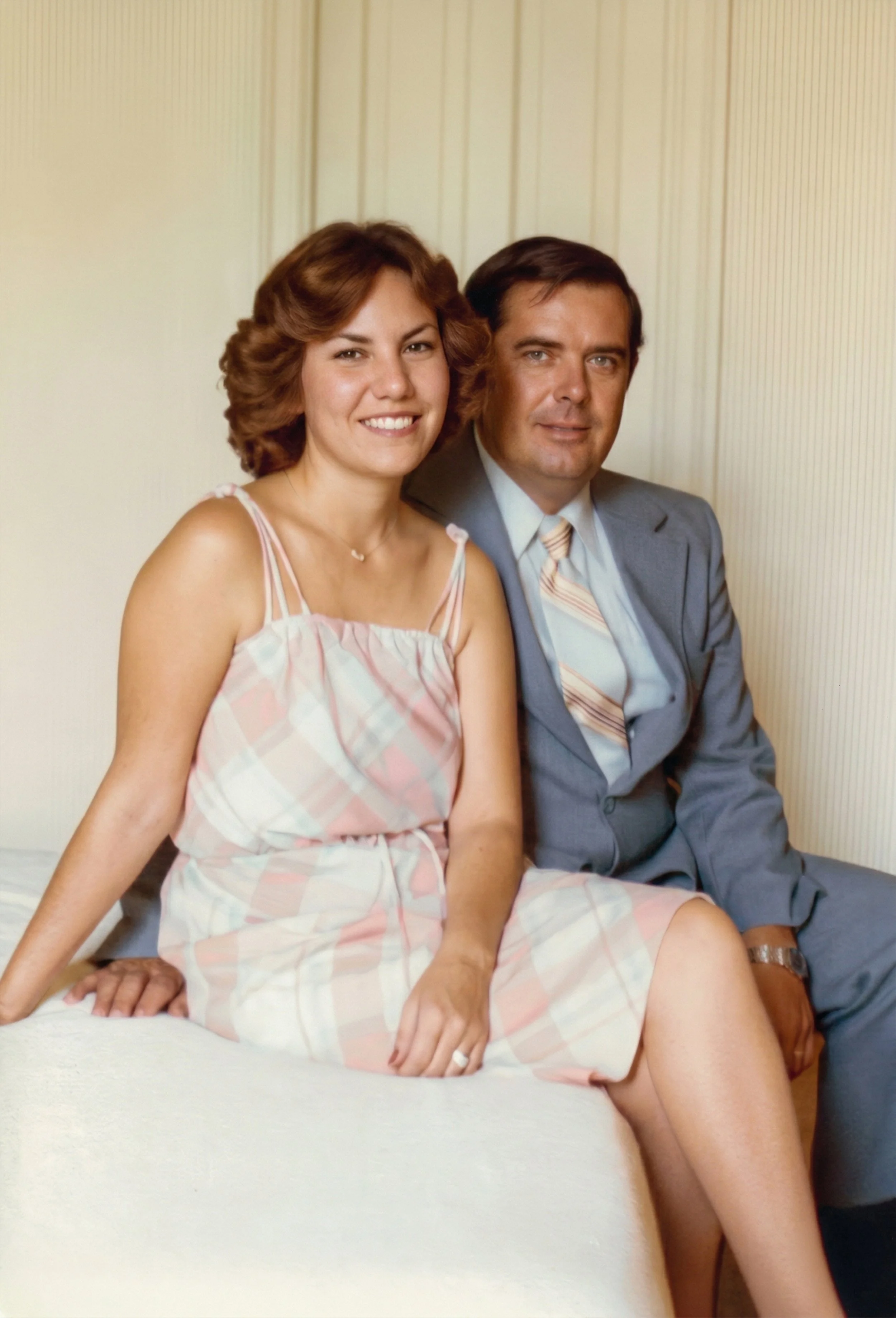
Throughout the process, I compared the AI-assisted results against the original image and the supporting reference photos. I looked carefully at the faces, smiles, hair, skin tone, and expressions.

Did the restored image still feel like them?
Did the hair stay true to the photograph?
Did the face look restored, or replaced?

This became the heart of the work.

A sharper image is not automatically a better image. If the expression changes, the memory changes. If the smile is wrong, the moment is wrong. If the face becomes too polished or too generic, the emotional value of the photograph is lost.

Before After

The Back-and-Forth Restoration Process

The work became a long back-and-forth process.

There were many attempts that improved one part of the image while hurting another.

One version might reduce blur, but change the face too much.
Another might improve the skin tone, but make the image feel too modern.
Another might sharpen the details, but alter the original smile.
Another might clean up the photo, but make the people look overly retouched.

So the process became slower and more deliberate.

Instead of trying to fix everything at once, I had to break the restoration into stages:

  1. Protect the identity.

  2. Preserve the expression.

  3. Correct the color.

  4. Reduce blur and improve focus.

  5. Clean up skin, damage, and artifacts.

  6. Upscale for final detail and print quality.

This was not a magic button. It was a negotiation between technology and memory.

AI could generate possibilities, but it still needed a human eye to decide what was faithful, what was too far, and what needed to be pulled back.


Color Correction and Natural Skin Tone

Color was another major part of the process.

Old photographs often shift over time. They can become yellow, green, magenta, orange, faded, or washed out. Scans and photocopies can exaggerate these problems even more.

In wedding images especially, skin tone matters. The photo needs to feel warm and alive, but not fake. It needs to look restored, not painted. It needs to preserve the natural humanity of the people in the image.

That meant carefully correcting color without overdoing it.

I wanted to avoid the overly orange, overly smoothed, overly processed look that can happen with AI restoration. The final image still needed to feel like a real photograph. A restored photograph, yes, but not a synthetic portrait.

The goal was natural skin tone, realistic texture, and a believable sense of light.

Before After

Knowing When Not to Change Something

One of the most important parts of restoration is knowing what not to change.

It can be tempting to keep pushing an image further. Sharper. Cleaner. Smoother. Brighter. More polished.

But at a certain point, restoration can become alteration.

For this project, it was important to preserve the original pose, expression, hairstyle, clothing, and feeling of the image. The goal was not to modernize the couple or make them look like a different version of themselves. The goal was to bring clarity back to the moment they already had.

That meant avoiding heavy retouching. No added makeup. No reshaped faces. No changed smiles. No reimagined expressions. No turning an old wedding snapshot into something that looked like a staged modern portrait.

The best restoration is often the one that does not call attention to itself.

It simply lets the memory breathe again.

Before After

Restoring More Than a Photograph

By the end of the process, what began as a damaged photocopy had become something much more meaningful.

The final image was not perfect in the way a modern wedding photo might be perfect. But that was never the goal. The goal was to bring back the feeling.

The couple.
The wedding day.
The memory.
The only image they had.

AI played an important role, but it was only one part of the process. Scanning, Photoshop, color correction, reference photos, careful comparison, and long hours all mattered. But most of all, human judgment mattered.

Because restoring a photo like this is not just about repairing pixels. It is about protecting a memory.

This project reminded me why photographs matter so much. A blurry or damaged image can still hold a whole lifetime of meaning. And with the right care, patience, and tools, some of those memories can be brought back to life.

Some of the most meaningful photographs are not the perfect ones. Sometimes they are the faded ones, the blurry ones, the fragile ones, or the only ones left.

Before After

If you have an old, damaged, faded, blurry, or nearly unusable photograph that matters to you or your family, I would be honored to take a look. Every image is different, and not every photo can be fully restored, but if the memory matters, it is worth trying.

Next
Next

do i need wedding video?